


Big finals are not won only with skill. Under pressure, many strong teams also lose. One mistake or a poor decision changes the result in such matches. To handle this situation, sports psychology is commonly employed.
Now players are preparing mentally, along with physically. In different sports, players are trained to be focused and handle pressure, especially before finals. In this Playcric Sports News analysis, let us understand how psychological preparation shapes high-stakes games and why mental strength often decides champions.
The Unique Pressure of a Final
A final feels different from a normal match. Players know that one game can change their career, reputation, and legacy. Because of that, pressure naturally becomes higher.
Some common reasons behind this pressure are:
- From League Matches to One-off Showdowns
- The Weight of Expectations (Fans, Media, Personal Legacy)
- Fear of Failure vs Opportunity to Shine
- Pressure of Social Media Reactions
- Handling Big Match Nerves
Because of these factors, many athletes struggle to play freely in finals. This is where sports psychology helps players stay balanced and calm during difficult moments.
Core Mental Skills for High-Stakes Games
Just motivational speeches are not mental preparation. It includes practical skills that players use before and during games. These skills help players to control pressure. Also, it makes them take better decisions.
1. Emotional Regulation
In finals, emotions can quickly go out of control. A player may become angry after a mistake or nervous after a poor start. Emotional regulation helps athletes stay stable.
For example, many captains take a pause before reacting. They slow down the game mentally. This prevents panic decisions. Sports psychology teaches players how to manage emotions without losing aggression or confidence.
2. Focus and Concentration
Crowds and pressure can break focus. However, elite players train themselves to focus only on the next moment.
A batter may focus only on the next ball instead of thinking about the result. A bowler may concentrate on one ball rather than the scoreboard. This small shift helps athletes stay in control.
3. Self-Discussion
The way players speak to themselves matters a lot. Negative thinking can increase pressure quickly.
- Instead of saying: “I cannot fail here.”
- Players train themselves to think: “Focus on execution.”
Positive internal discussion improves confidence and reduces fear. Sports psychology experts often work closely with players in this area.
4. Visualisation
Many athletes mentally rehearse situations before the final begins. They imagine pressure moments, successful shots, or difficult overs.
This process is called visualization. It helps the brain feel more prepared when the real moment arrives. Because of this, players react calmly during actual pressure situations.
How Elite Athletes Prepare Psychologically Before a Final
Top athletes usually start mental preparation several days before the match. They do not leave everything for Match Day. Some common preparation methods include:
- Pre-Match Routines That Build Confidence
- Working with a psychologist
- Breathing and Relaxation Techniques
- Dealing with Setbacks During the Game
- Avoiding any kind of external distractions
Simple routines often help players feel normal before big games. Some listen to music. Others meditate or spend quiet time alone.
Meanwhile, in sports psychology, players are prepared for bad moments too. They teach athletes how to respond if things go wrong early in the game. That preparation becomes very useful during finals.
The Role of Team Culture and Leadership
Strong leaders create confidence inside the team. When senior players stay relaxed, younger players also feel safer mentally. This is why experienced captains are so valuable in knockout matches.
Good teams also avoid a blame culture. Instead of attacking each other after mistakes, they focus on support and communication. That creates trust during pressure moments.
Sports psychology is currently employed not only for individuals but also for team unity and supervisory development. Many franchises and national teams work on this throughout the season.
Practical Drills and Exercises
Mind power is not formed in one day. Teams practice it regularly through different exercises and routines.
Pressure Simulation in Training
Many coaches now create pressure situations during practice sessions. Examples include:
- Chasing difficult targets
- Batting with fewer wickets left
- Bowling final overs under pressure
This helps players get used to stressful situations before the actual match arrives.
Post-Game Reflection Journals
Some athletes write short notes after games. They record what went well and what needs improvement. This habit helps players understand emotions and mistakes better. Overall, it improves confidence.
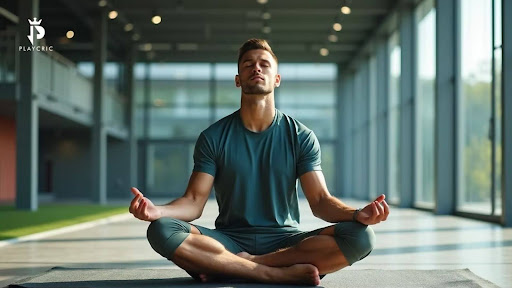
Mindfulness and Meditation
Mindfulness training is now very common. This teaches how to be in the present moment. Due to this, the players do not think about future results. Moreover, meditation helps one stay calm.
Conclusion
Big matches like the final need more than talent or fitness. There is a high level of stress a player encounters. In such games, mental strength becomes important. If players are calm, they can make better decisions.
Sports psychology helps to boost this strength. This helps players to keep calm. It also helps them to cope with stress. For more such sports insights and analysis, keep following Playcric.
FAQs
1: What is sports psychology?
Ans: It helps players stay mentally strong. With this, a player improves focus and confidence.
2: Why is the role of mental preparation before the final?
Ans: A final is a big game. It brings extra pressure. So, mental preparation helps to keep players calm.
3: Do teams use sports psychologists now?
Ans: Many teams use them effectively. They keep a mental coach. Due to this, they handle pressure better.
4: Can a team have a “mental coach” just for finals?
Ans: Many teams now work with sports psychology experts and mental conditioning coaches before major tournaments and finals.


Leave a Reply